Cristobalite in High-Solids UV Coatings: A Dispersion and Surface Trial Plan
A controlled trial plan for cristobalite in high-solids UV coatings, covering powder data, dispersion, drawdown, cure conditions and finished-film checks.
Formulation trial · UV-curable coatings
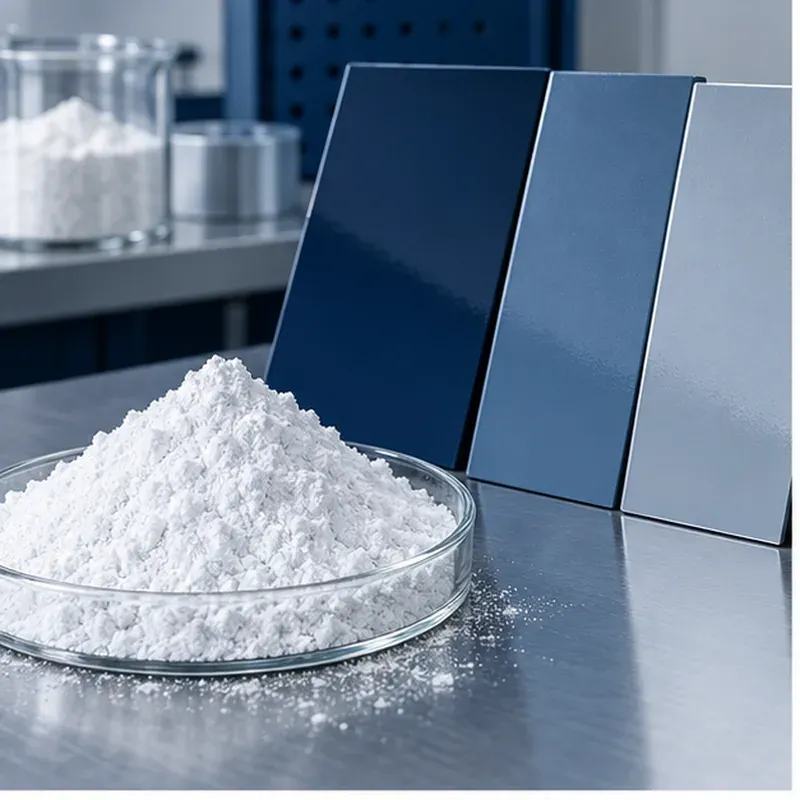
A cristobalite trial in a high-solids UV coating should balance filler loading, viscosity, dispersion, film appearance and cure response. The target is not the highest filler percentage; it is a stable process window that delivers the required surface and durability.
Set the Coating Target First
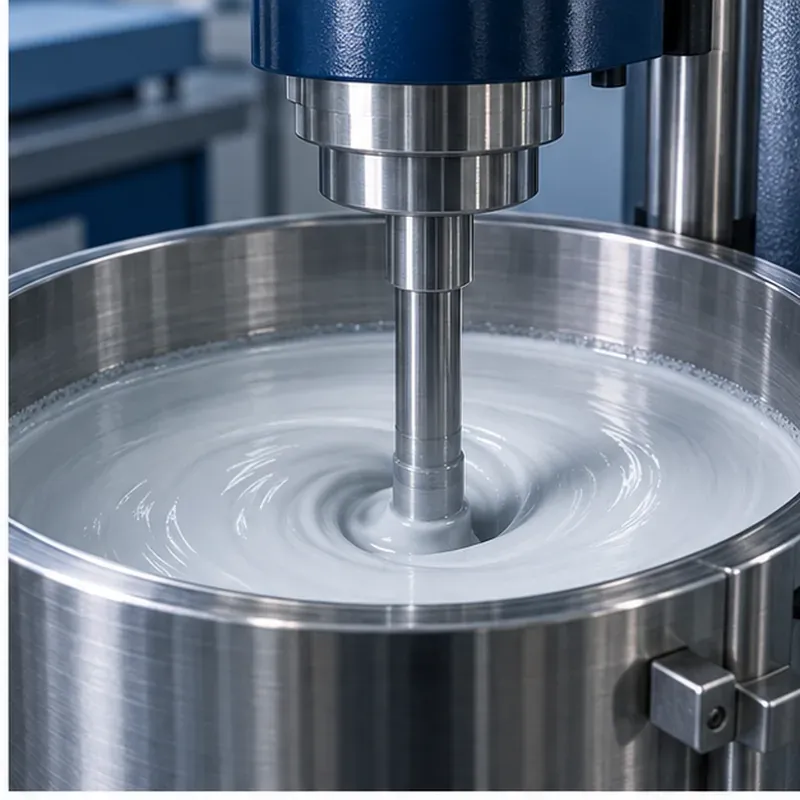
Define substrate, application method, wet-film thickness, line speed, UV source, appearance target and end-use tests before selecting a powder. Cristobalite is a crystalline silica material and should not be described with fused-silica properties. Whiteness, hardness contribution and packing behavior can be relevant screening factors, but each claim must be confirmed in the customer’s resin, photoinitiator and cure window.
Powder Data to Confirm
| Property | Request format | Coating relevance |
|---|---|---|
| Material identity | Cristobalite grade; confirm by current TDS/COA | Prevents phase confusion |
| PSD | D10/D50/D90 in μm, oversize and method | Affects viscosity, gloss, texture and filtration |
| Whiteness / color | Instrument, illuminant and specimen method | Supports repeatable visual comparison |
| Moisture | Grade-specific; method stated | Supports storage and dispersion control |
| Surface treatment | Untreated/treated status and chemistry | Must match resin and additive package |
Small-Batch Trial Design
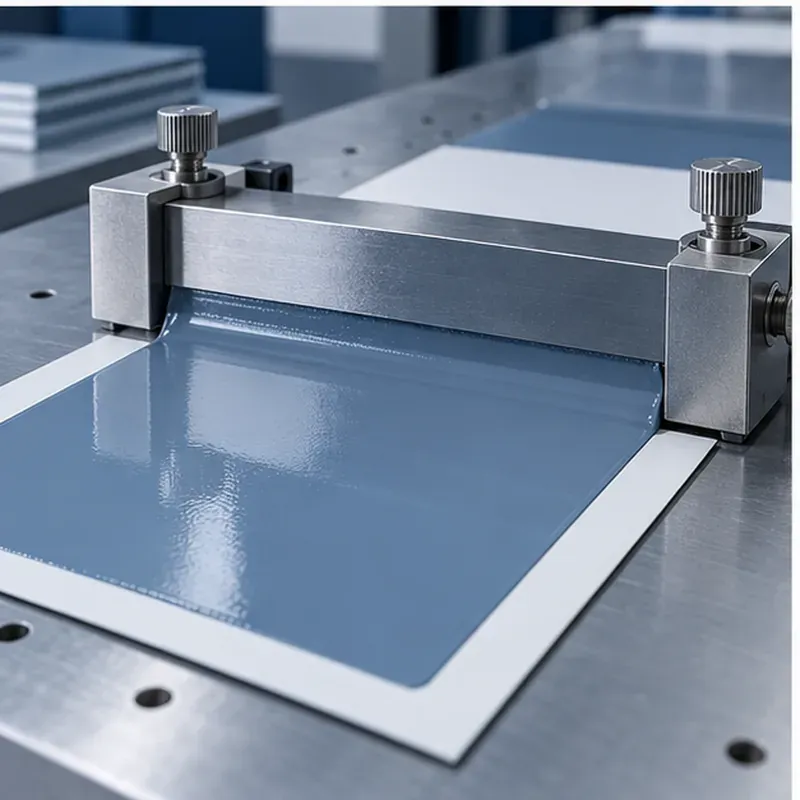
- Prepare a filler-free control and at least two planned loading levels.
- Hold the resin and cure package constant. Use the same batch size, vessel, disperser and temperature limit.
- Measure process behavior. Record viscosity at defined shear/temperature, fineness of grind, air release, settling and filter residue.
- Apply equal films. Control substrate preparation, wet-film thickness and flash time.
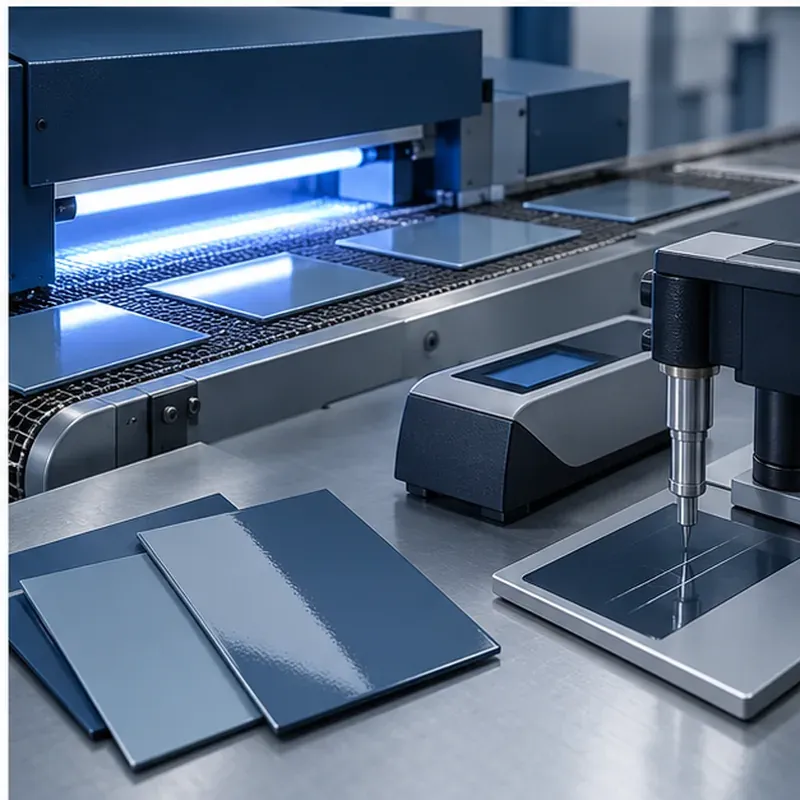
- Cure under logged conditions. Record lamp type, irradiance/energy or line settings rather than “fully cured.”
- Compare finished films. Evaluate gloss, haze, color, surface defects, adhesion, scratch/abrasion response and chemical resistance according to customer methods.
Troubleshooting Matrix
| Symptom | Check | Controlled response |
|---|---|---|
| Viscosity too high | PSD, agglomeration, wetting agent, moisture, loading | Change one variable and rerun |
| Gloss or clarity loss | Particle size, dispersion, film thickness and target appearance | Confirm whether matte effect is intended |
| Incomplete cure indication | UV dose, pigment/filler interaction, film thickness and photoinitiator | Verify cure separately from hardness |
| Settling or coarse residue | Oversize, dispersion energy, storage viscosity and filtration | Inspect retained sample and filter residue |
Related Changtong Products
Compare the cristobalite product range, browse coating and filler trial guides, or submit your coating target through Request a Quote.
FAQ
Does a finer grade always give a smoother film?
Not automatically. Agglomeration, dispersion energy, resin wetting, loading and film thickness can outweigh a single median-size value.
Can pencil hardness prove full UV cure?
No. Hardness is one film property. Use a cure assessment appropriate to the formulation and end-use requirement.
Request a Cristobalite Coating Trial Quote
Share the resin family, application method, target loading, PSD window, gloss/texture target, UV source, trial quantity and required quality documents.
Request a Quote