
Aug 30, 2026Silica Buying Guides
How to Choose Hydrophobic Silica Powder for Resin Formulations
Compare hydrophobic silica powder by wetting, viscosity, oil absorption, dispersion and resin compatibility before approving a grade.
Technical Knowledge
Read practical guidance on silica material selection, particle size, manufacturing, quality documentation and industrial applications.
Compare hydrophobic silica powder by wetting, viscosity, oil absorption, dispersion and resin compatibility before approving a grade.
Use a practical silica powder RFQ checklist covering application, phase, particle size, chemistry, testing, packaging and shipment scope.
Learn how silica powder affects coating viscosity, gloss, texture, sedimentation and film quality, with a practical trial and specification method.
Learn how to evaluate silica powder in rubber and resin compounds by dispersion, loading, oil absorption, viscosity and curing behavior.
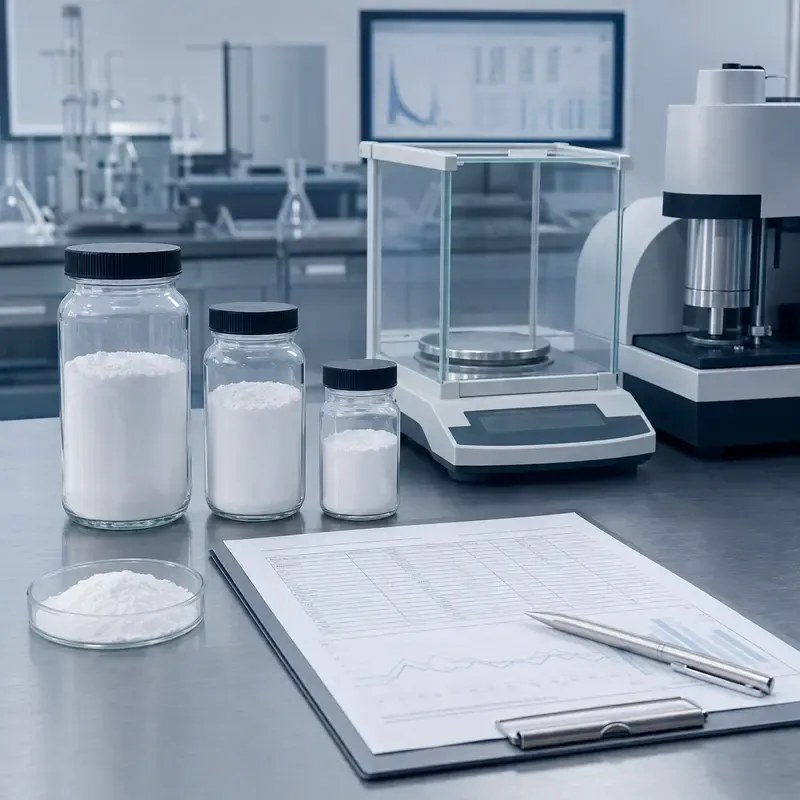
Learn how to interpret SiO2, particle size, moisture, appearance, lot identity and test methods on a silica powder certificate of analysis.
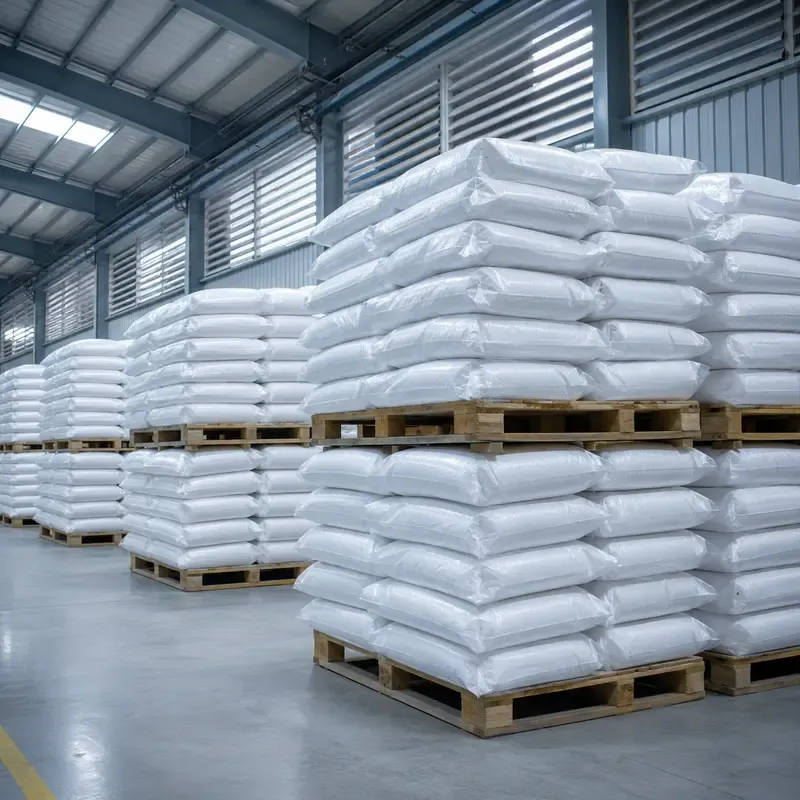
Reduce moisture pickup, package damage and dust release when storing, opening, transferring and cleaning up silica powder at an industrial site.
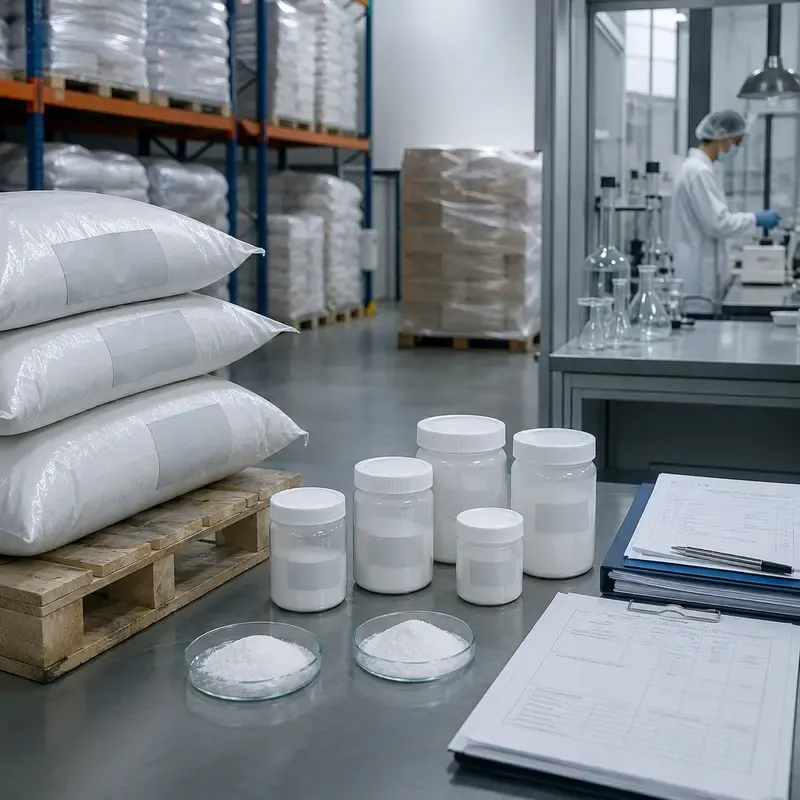
Learn how lot identity, document revision, packaging records and test scope improve traceability when buying silica powder for industrial production.
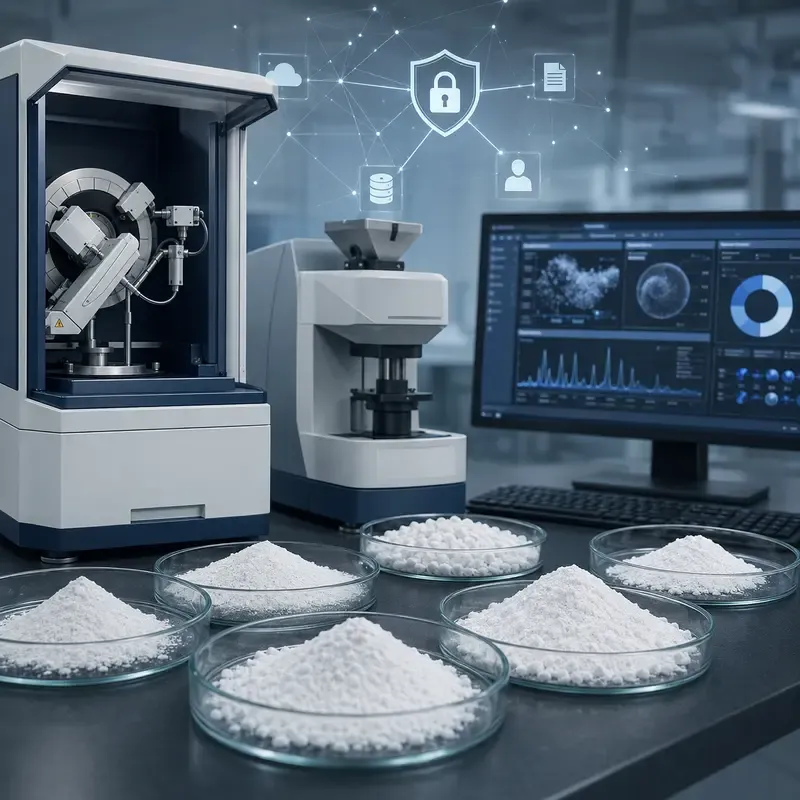
Explore practical trends in silica powder testing, including method-specific PSD, phase evidence, digital COA records and lot-level review.
Related Silica Products
Review representative fused silica, cristobalite and crystalline silica products alongside the technical guidance for each material and application.
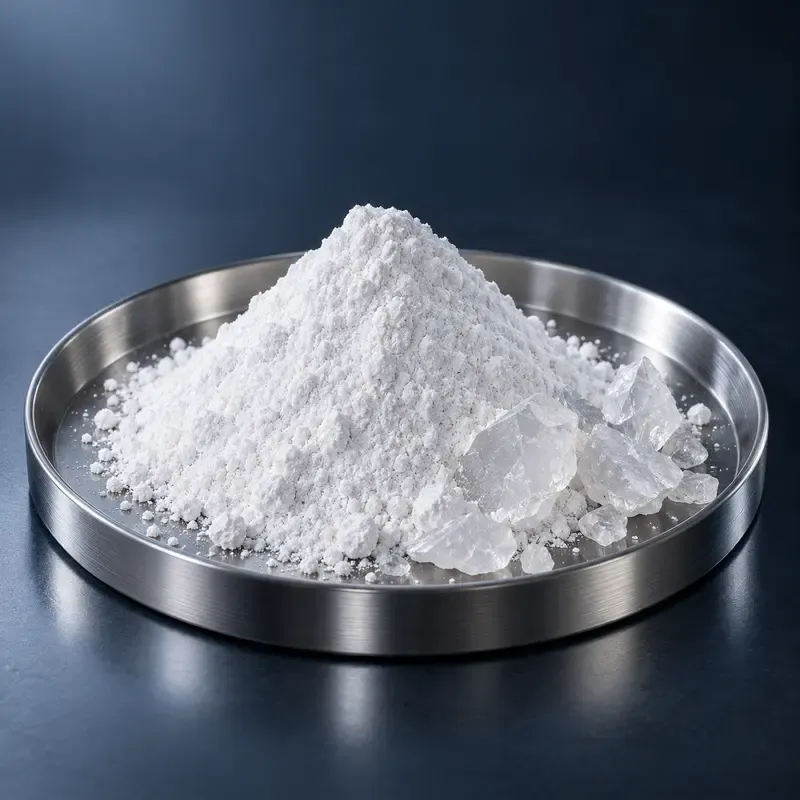
Fused silica powder for refractory gunning mix trials where phase identity, particle-size control and process compatibility must be evaluated together. Confirm grade-specific chemistry, PSD, moisture and application fit against the customer’s mix and spraying conditions.
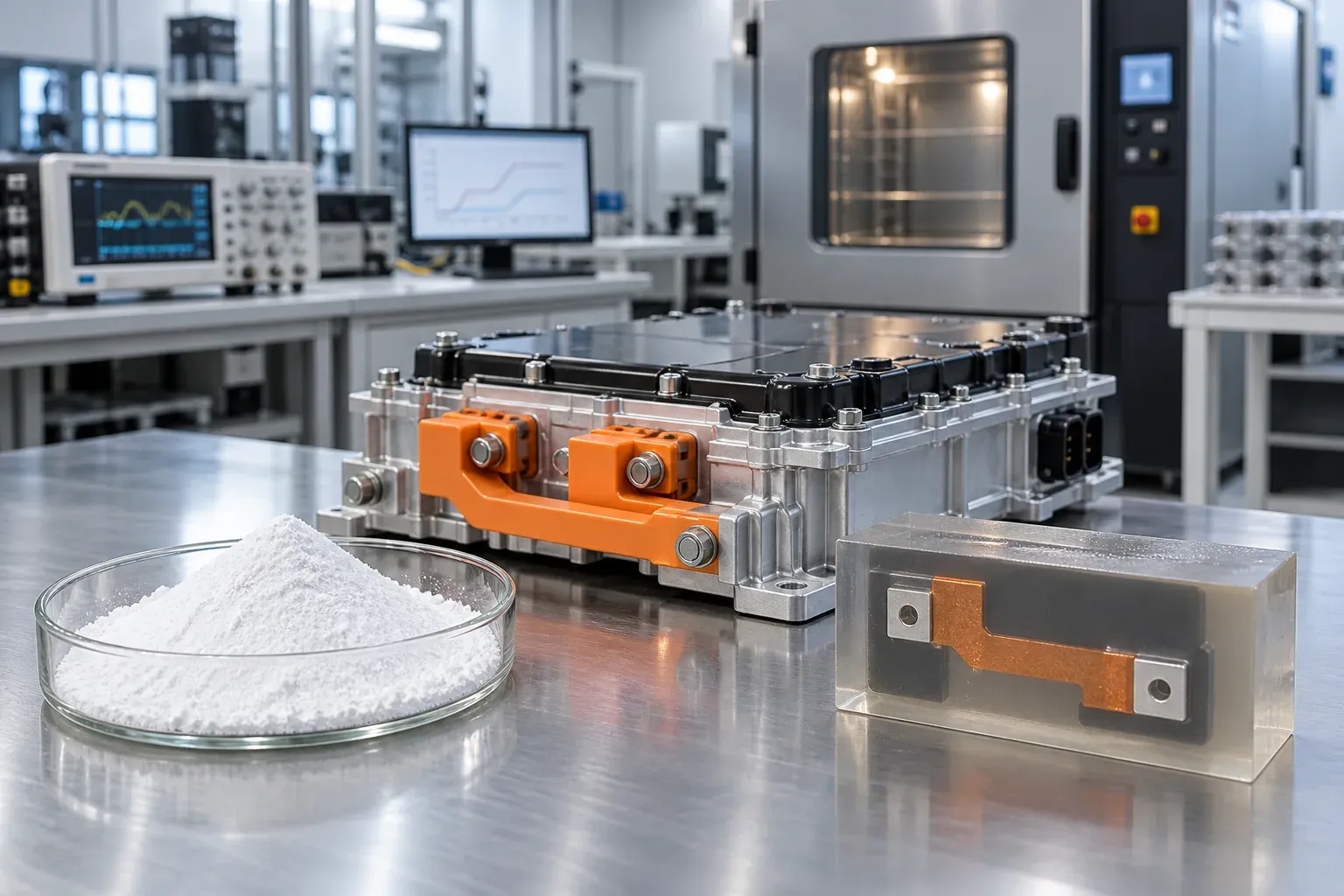
Fused silica powder for EV inverter and power-module epoxy potting trials where low expansion and dimensional stability are required. Match purity and PSD to viscosity, vacuum filling, thermal cycling, dielectric strength and partial-discharge acceptance in the customer’s resin system.
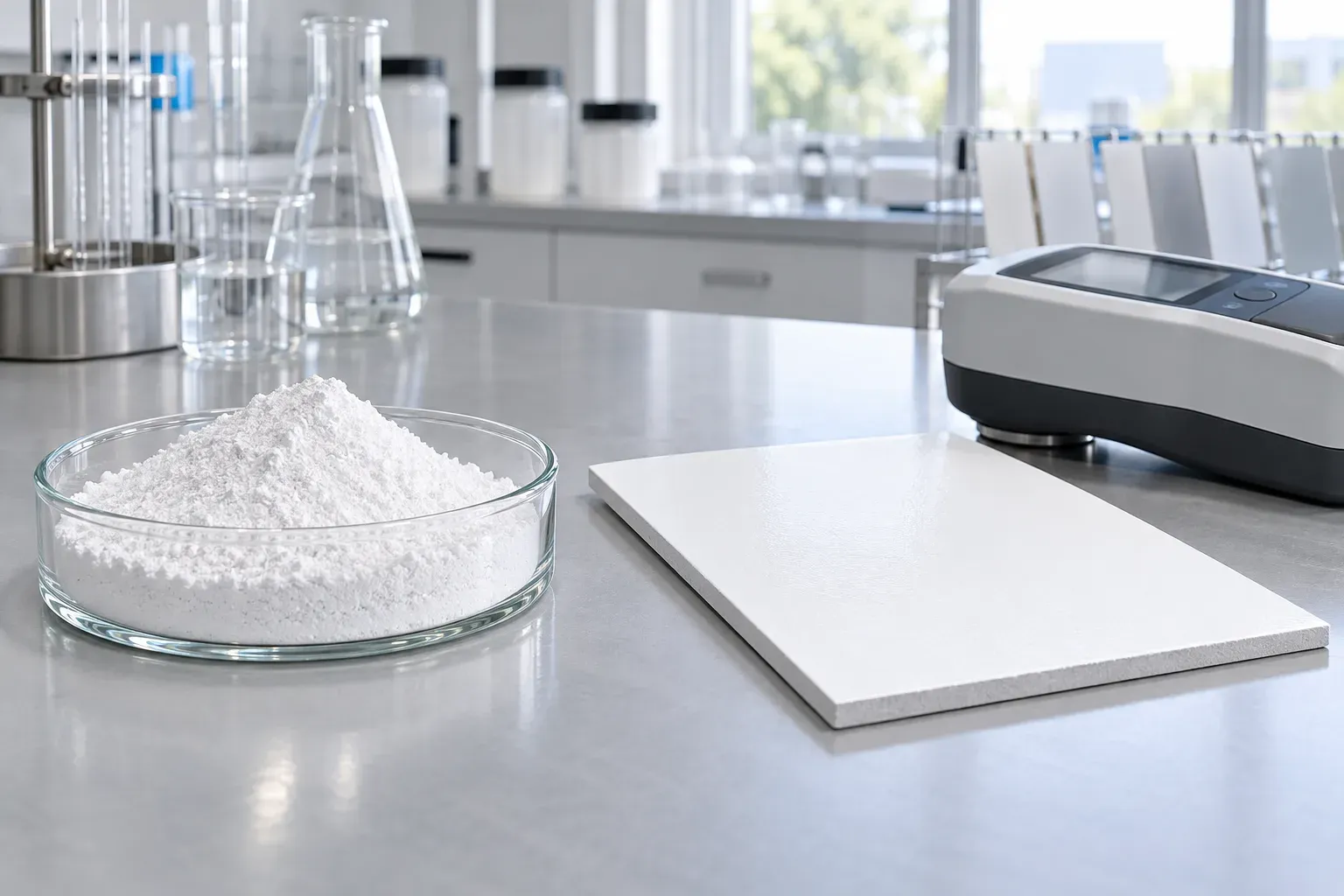
M4000 calcined cristobalite powder for EV high-voltage silicone cable compound trials. A supplied batch reports D50 6.15 μm, SiO2 99.63%, Fe2O3 0.009%, moisture 0.1% and whiteness 94%; qualify dispersion, cure, electrical insulation and finished-cable performance in the customer’s formulation.